- Houston: (832) 548-3972....... New Orleans: (504) 355-3094..........Orlando: (321) 355-6052
- info@EMAforensics.info
- Mon - Sat: 9:00AM - 6:00PM
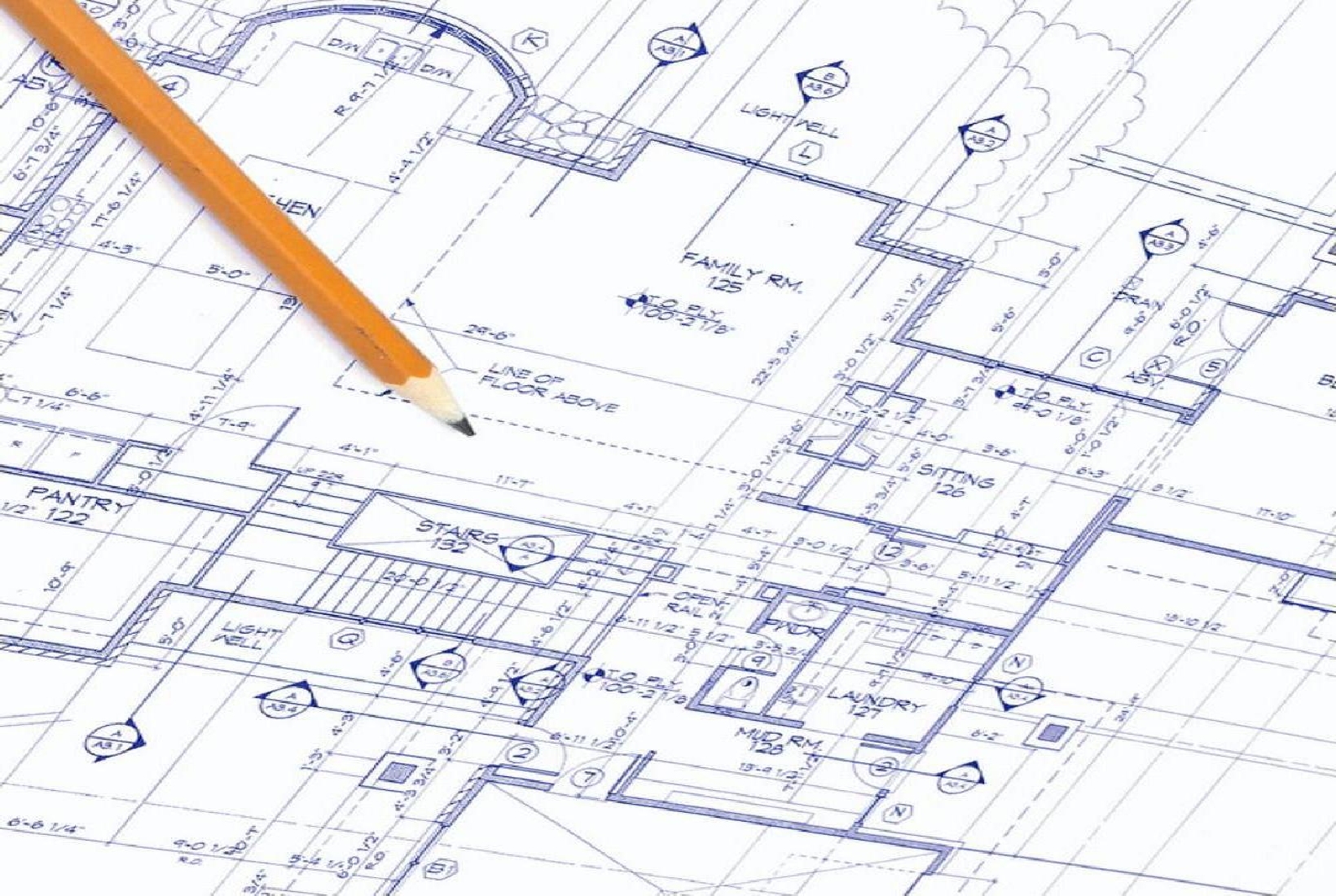
Florida Condominium Structural Safety Inspections
Florida Condominium Structural Safety Inspections
Reporting Requirements Florida Condominium Structural Safety Inspections. On or before January 1, 2023, all condominiums and cooperatives that are in existence as of July 1, 2022, must provide the following to the Department of Business and Professional Regulation, Division of Condominiums, Timeshares, and Mobile Homes (“DBPR”):
- The name of the condominium or cooperative;
- The total number of buildings that have three stories in height or higher;
- The total number of units in all such buildings;
- The counties where the buildings are located and the physical address for each building.
Any changes to this information must be reported to DBPR within six sixmonths of any changes. DBPR will publish a form for providing this information on its website that must be delivered to DBPR by mail, e-mail, or hand delivery.

Milestone Inspections (Condominium Structural Safety Inspections)
Condominium or cooperative buildings three stories or higher must conduct a structural inspection of such buildings, including a review of load-bearing walls and the primary structural components and systems.
The condominium structural safety inspection of the building must be performed by a licensed architect or engineer attesting to the following:
- Life safety and adequacy of the structural components of the buildings;
- General structural condition of the building affecting life safety; and
- Any necessary maintenance, repair, or replacement of any structural components of the building.
Local enforcement agencies must determine and notify condominium and cooperative associations if they require a milestone inspection. So that you know, the milestone inspection must be completed within 180 days of receipt of such notice. Phase one is completed when the engineer or architect submits the inspection report to the local enforcement agency.
Deadline to Complete the Inspection
All condominium and cooperative buildings must complete a milestone inspection by December 31st of the year the building reaches 30 years of age from the original receipt of its certificate of occupancy and every ten years thereafter. Therefore, buildings with certificates of occupancy on or before July 1, 1992, must complete the inspection before December 31, 2024.
Deadline to Complete Inspection for Buildings Within 3 Miles of Coastline
All condominium and cooperative buildings within three (3) miles of the coastline must complete inspections by December 31st of the year the building reaches 25 years of age and every ten years thereafter. Therefore, facilities within 3 miles of the coastline with certificates of occupancy on or before July 1, 1997, must complete the inspection before December 31, 2024.
Certificate of Occupancy Not Available
If the certificate of occupancy issuance date is unavailable, the date of occupancy shall be that which is evidenced in any record of the local building official.
Exceptions
The inspection requirement does not apply to single, two, or three-family dwellings with three or fewer habitable stories above ground.
Milestone Inspections – Two Phases:
Phase 1
A phase 1 inspection consists of a visual examination by an architect or engineer of the habitable and non-habitable areas of a building, including the major structural components of a building. It provides a qualitative assessment of the structural conditions of the building. The architect or engineer must issue a report to the local building enforcement agency.
A phase two inspection is not required if the architect or engineer does not find signs of “substantial structural deterioration” to any building components under visual examination. Suppose the Phase 1 inspection revealed “substantial structural deterioration” to any building components; a Phase 2 inspection is required.
“Substantial structural deterioration” is substantial structural distress negatively affecting the building’s general structural condition and integrity.
Phase 2
A Phase 2 inspection may involve either destructive or nondestructive testing, or both, at the discretion of the inspector. The inspector’s choice must be as extensive as necessary to assess areas of structural distress to confirm that the building is structurally sound and safe and to recommend a program for thoroughly assessing and repairing distressed and damaged portions of the building.
However, when determining testing locations, the inspector must prefer locations that are the least disruptive and most easily repairable while still being representative of the structure.
Inspection Report
The inspectors must submit a sealed copy of the report with a separate summary of, at minimum, the material findings and recommendations. The inspection report must, at a minimum, meet all of the following criteria:
- Bear the seal and signature of the licensed engineer or architect who performed the inspection.
- Indicate the manner and type of inspection forming the basis for the inspection report.
- Identify any substantial structural deterioration within a reasonable professional probability based on the scope of the inspection, describe the extent of such decline, and identify any recommended repairs for such damage.
- State whether unsafe or dangerous conditions were observed.
- Recommend any remedial or preventive repair for any damaged items that are not substantial structural deterioration.
- Identify and describe any items requiring further inspection.
Associations must commence repairs for substantial deterioration within 365 days of receiving the report and must. They must submit proof to the appropriate governmental agency of the commencement or completion of such repairs to the local enforcement agency. Associations that fail to comply with the required repair timeframe are subject to further review by the local enforcement agency, which will determine if the building is unsafe for human occupancy.
Associations must distribute a copy of the inspector-prepared summary of the inspection report to each condominium or cooperative unit owner, regardless of the findings or recommendations in the news; post a copy of the inspector-prepared summaryresume in a conspicuous place on the property; and must publish the full report and inspector prepared a summary on the association’s website for all condominiums required to have a website. The milestone inspection report will be an official association record and must be kept for at least 15 years. Renters may inspect and copy the words.
Structural Integrity Reserves Study
All unit owner-controlled condominiums and cooperatives with buildings of 3 or more stories existing on or before July 1, 2022, must complete a SIRS by December 31, 2024, and at least once every tenthe years thereafter.
Who Can Perform SIRS
The SIRS may be performed by any person qualified to perform such study. However, visual inspection portion of the study must be performed by licensed engineer or architect.
SIRS Components
At a minimum, a SIRS must include a study of the following items as related to the structural integrity and safety of the building:
- Roof
- Load-bearing walls or other primary structural members
- Floor
- Foundation
- Fireproofing and fire protection systems
- Plumbing
- Electrical systems
- Waterproofing and exterior painting
- Windows
- Any other item that has a deferred maintenance expense or replacement cost that exceeds $10,000 and the failure to replace or maintain such item negatively affects the above components.
The engineers at EMA Forensic Associates are educated and trained engineers with years of performeing structural design and structural inspections of all type of buildings. Please call us to discuss.
Jacksonville: (904) 361-9877
Tampa: (813) 398-5383
Ft. Lauderdale: (954) 361-4524
Palm Beach: (561) 372-6102